Selecting the right flow meter for water treatment applications is more than just a technical decision—it's a critical step in ensuring efficiency, accuracy, and long-term reliability. With various types of flow meters on the market, each suited to different conditions and media, making the wrong choice can lead to inaccurate readings, increased maintenance, and even system failures. The key is understanding the specific challenges faced in water treatment environments and matching them with the right technology .
One of the most common challenges in water treatment is dealing with variable water quality. Suspended solids, air bubbles, and changes in conductivity can interfere with certain types of flow measurement. For instance, electromagnetic flow meters perform well with conductive liquids and are ideal for dirty or abrasive water streams. They offer minimal pressure loss and are not affected by changes in temperature or pressure, making them a popular choice in municipal and industrial treatment plants .
However, not all flow meters are created equal. In applications where precision is paramount—such as chemical dosing or sludge handling—Coriolis flow meters stand out. These devices measure mass flow directly, providing high accuracy regardless of fluid properties. For those looking for reliable mass flow solutions, especially in complex treatment processes, exploring options like the coriolis durchflussmesser can offer valuable insights into advanced measurement capabilities .
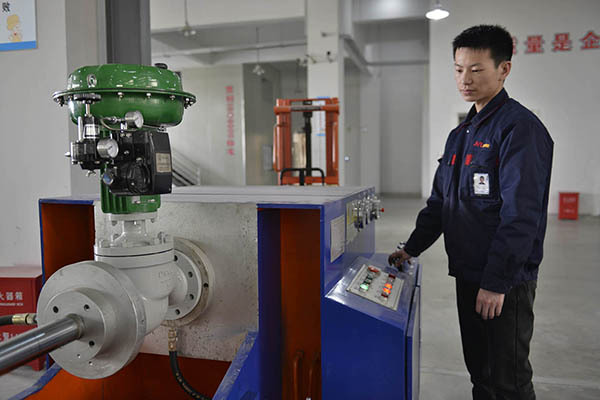
Another consideration is the need for flow measurement in gaseous phases within water treatment systems—such as in aeration tanks or biogas recovery units. In these cases, standard liquid flow meters won't suffice. Instead, specialized instruments like gas flow meters are required to accurately monitor and control gas movement. These meters are designed to handle the compressibility and low density of gases, ensuring stable operation in critical processes .
For even greater control, especially in laboratory-scale or pilot treatment systems, a gas mass flow controller can provide not only measurement but also precise regulation of gas flow. This level of control is essential when maintaining specific oxygen levels or managing anaerobic digestion processes, where even small deviations can impact treatment efficiency .
Environmental factors such as temperature fluctuations, humidity, and vibration also play a role in meter selection. Devices with robust housings and digital communication capabilities tend to perform better in harsh conditions. Additionally, ease of installation and integration with SCADA systems can significantly reduce downtime and improve operational visibility .
Ultimately, choosing the right flow meter isn't about finding the most advanced technology—it's about matching the tool to the task. By assessing fluid characteristics, process conditions, and long-term maintenance needs, water treatment professionals can overcome common challenges and ensure reliable, accurate flow measurement across their systems .
Comments
Post a Comment